AI Calorie Tracker: How Photo Meal Logging Actually Works
Manual calorie tracking is tedious. Scrolling through databases, guessing portion sizes, entering each ingredient one by one—it turns every meal into a data entry exercise. Most people quit within a week.
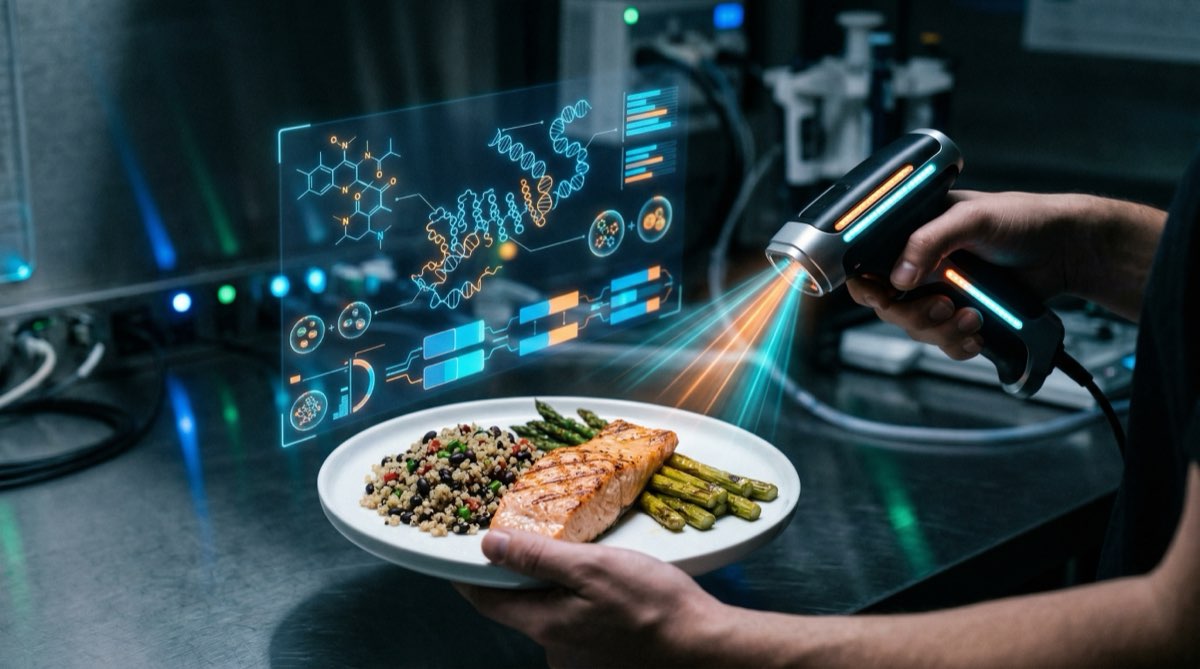
AI calorie tracking changes the equation. Take a photo of your plate, and computer vision identifies what you’re eating, estimates portions, and calculates a full macro breakdown—calories, protein, carbs, and fat—in seconds.
Sam Gym uses Google’s Gemini AI to analyze meal photos with surprising accuracy. Here’s how it works, how it compares to manual logging, and why it matters for people who actually want to stick with tracking.
📸 How Sam Gym’s AI Meal Analysis Works
When you snap a photo of your meal in Sam Gym, the image gets sent to a multimodal AI model (Gemini 2.5 Flash) that’s been trained on millions of food images. It doesn’t just label your food—it:
- Identifies each item on the plate (grilled chicken, rice, broccoli, sauce)
- Estimates portion sizes based on visual cues (plate size, depth, relative proportions)
- Calculates macronutrients for each item: calories, protein (g), carbs (g), and fat (g)
- Returns a structured breakdown you can review and adjust if needed
The entire process takes 2–4 seconds. Compare that to the 3–5 minutes most people spend manually searching and logging each component of a meal.
🎯 Accuracy: AI vs. Manual Logging
Here’s the uncomfortable truth about manual logging: it’s not as accurate as people think. Studies consistently show that self-reported calorie intake is off by 30–50% on average. People underestimate portions, forget condiments, and round down.
AI photo analysis has its own margin of error—typically 15–25% on individual items—but it has two advantages:
- Consistency. The AI doesn’t get lazy on Day 12. It applies the same analysis every time.
- Speed. Because it’s fast, people actually do it for every meal instead of skipping lunch “because I’ll remember later.”
The best calorie tracker is the one you actually use. If AI gets you from tracking 40% of meals to 95% of meals, the aggregate accuracy of your daily totals goes up dramatically—even if individual meal estimates are slightly less precise.
Key insight: Sam Gym’s weight prediction engine uses your logged intake vs. actual weight changes to calibrate over time. Even if an individual meal estimate is off, the system learns your real metabolic rate from the pattern.
💪 Not Just Calories: Full Macro Breakdown
Most AI calorie trackers stop at total calories. Sam Gym breaks down every meal into protein, carbohydrates, and fat—the three macronutrients that actually determine body composition.
Why this matters:
- Protein tracking is critical for muscle retention during a cut and muscle growth during a bulk. Hitting 0.7–1g per pound of bodyweight daily requires knowing what’s in each meal.
- Carb and fat ratios affect energy, training performance, and satiety. Seeing the breakdown helps you make better choices without rigid meal plans.
- Daily totals show where you actually are vs. your targets—not where you think you are.
⚖️ How It Compares to Other AI Trackers
MyFitnessPal
MFP recently added AI features, but its core experience is still database-driven. You search for foods, select entries (many user-submitted and inaccurate), and manually adjust portions. The AI assists with barcode scanning and some meal recognition, but it’s bolted onto a 20-year-old manual workflow.
Cal AI
Cal AI is photo-first, similar to Sam Gym’s approach. Where Sam Gym differs: it connects your meal data to WHOOP recovery metrics and Bayesian weight prediction. Cal AI tracks what you eat. Sam Gym tracks what you eat and tells you where you’re heading.
SnapCalorie
SnapCalorie focuses on 3D volume estimation from photos. Impressive tech, but it’s a standalone calorie tool. Sam Gym integrates calorie tracking into a complete fitness system—workouts, weight trends, recovery, and predictive analytics.
💬 The Meal Q&A Feature
After logging a meal, you can ask Sam Gym’s AI questions about it: “How much protein is in just the chicken?” “What if I had half the rice?” “Is this enough protein for my goals?”
The AI has context on your daily targets, your 7-day macro averages, and what you’ve eaten today. So it doesn’t just answer in isolation—it answers relative to your specific situation.
🎯 Who AI Calorie Tracking Is For
This approach works best for people who:
- Have tried manual tracking and quit because it was too tedious
- Want macro awareness without becoming a full-time data entry clerk
- Eat varied meals (not just the same 5 meal-prepped containers)
- Value consistency over single-meal precision
- Want their nutrition data connected to their training and recovery data
If you need to track individual micronutrients or weigh every ingredient to the gram, a tool like Cronometer might be a better fit. But if you want a system that makes tracking fast enough to actually sustain, AI photo logging is the way forward.
Track Meals in Seconds
Photo-based macro tracking, AI meal analysis, and adaptive weight prediction. Try Sam Gym free for 30 days.
Start Free Trial